For Schools & Principals
EMS is game-dependent.
If Engagement, Motivation, and Success (EMS) are your goal, then environmental design cannot be secondary.
One standardised environment cannot be equally fair to fundamentally different children, because children do not all carry the same strengths, values, or routes into motivation. Designing winning environments is what produces EMS, which makes the principal’s role central.
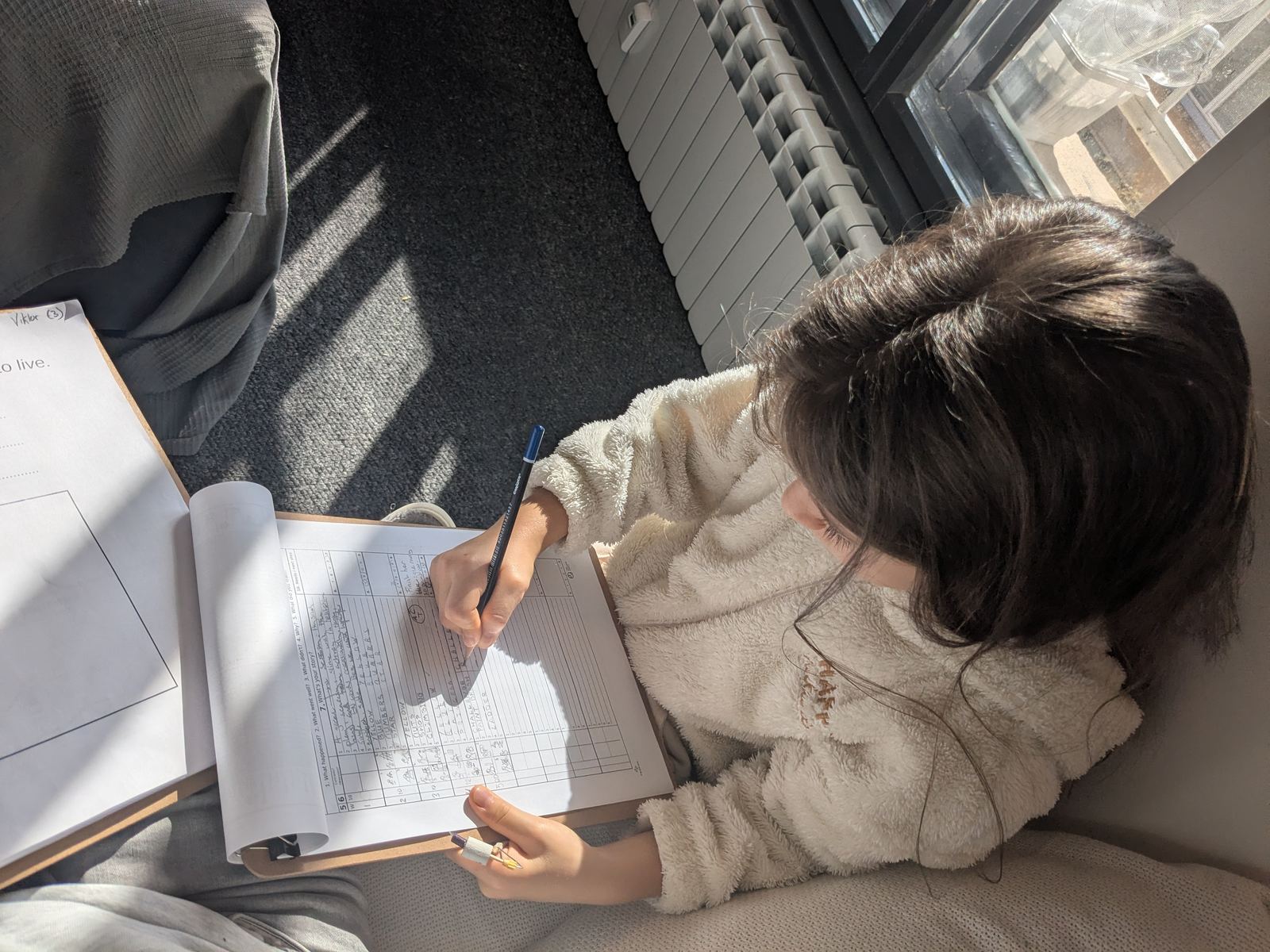
The principal designs the third parent.
A principal is not only managing a school. A principal is designing a powerful partner that constantly communicates without speaking: the school environment.
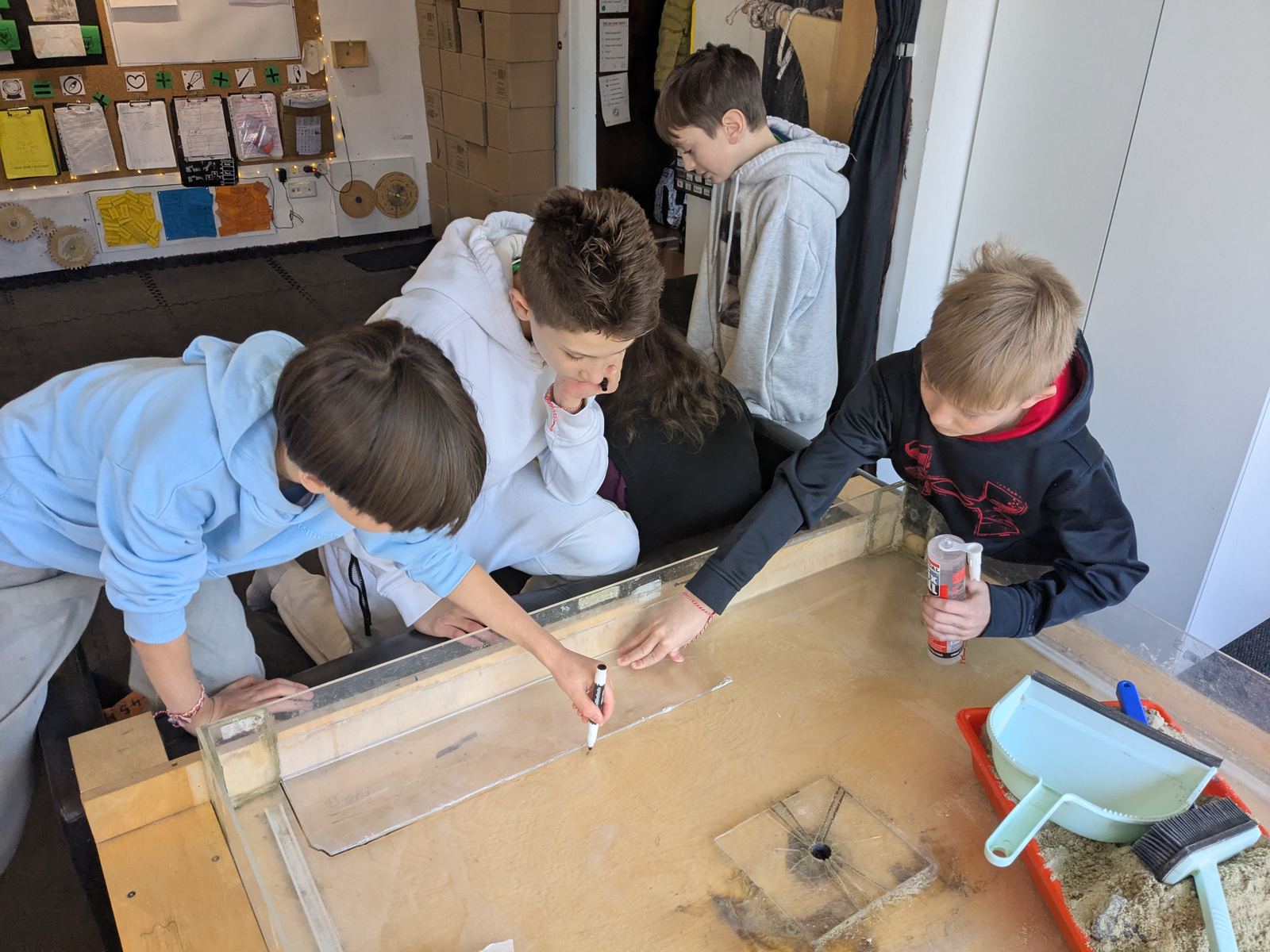
TwoFish helps principals do exactly that. It offers a safe, bounded game in time and space where different roles can emerge, older players can lead younger ones, and real value, consequence, and responsibility are present.
That is how more children find a game they can win, and how EMS rises across the school.
One rhythm cannot fairly serve every child.
Many schools still assume that one standardised environment, one rhythm, and one narrow route into motivation should work for everyone. But children are different.
Some need more structure. Some need more room. Some need challenge through ideas, some through people, some through building, some through questions. An evolving institution is obligated to see beyond the singular and often confining role of the pupil.
A bounded addition, not a destructive one.
TwoFish is not an argument for chaos or the abandonment of structure. It is a bounded addition.
While state schools standardise, TwoFish differentiates. Both games are important and can coexist. We advocate building and adding a contrasting environment in which initiative, value creation, peer leadership, and differentiated contribution are welcomed and developed.
Buying machines is not enough.
Many schools now invest in STEM environments, but often apply Scholar logic to Engineer space. These are different roles and different games. An Engineer should not be approached in the same way as a Scholar.
The environment must resonate with the role it hopes to develop. TwoFish is useful here because it welcomes and generates opportunities for a variety of roles.
Older players are part of the environment’s developmental power.
Older players do not simply coexist with younger ones. They become part of the environment’s developmental power.
They model initiative, speaking, negotiation, creation, and responsibility in ways adults alone cannot reproduce. TwoFish uses that lever deliberately.
More visible participation. More meaningful differentiation.
Schools gain a more lively, complete, and connected environment, more visible participation, more meaningful differentiation, and more opportunities for children with ideas, energy, and willpower to take ownership, find focus and create value.
They also gain more opportunities for children who do not thrive under one narrow pattern to find a game they can actually win.
Not only a theory.
TwoFish is not only a theory. It has an operating model, a decade of development, reporting tools, and a growing evidence base grounded in live practice.
Create the environment
Design better conditions for growth.
If your goal is not only to survive but to design better conditions for growth, TwoFish is worth serious consideration.
The next step is simple. Discuss a bounded pilot and step into the future with us.